
Creating Comprehensive Shipping Policies
- Tracy Mark Longest
- Nov 4, 2025
- 4 min read

Creating a clear and comprehensive shipping policy is essential for any business dealing with custom 3D printed products. Shipping policies set expectations for customers and protect your business from misunderstandings. They also help streamline operations and improve customer satisfaction. In this post, I will guide you through the key elements of shipping policy creation, focusing on practical steps and examples tailored to custom 3D printing services.
Understanding the Importance of Shipping Policy Creation
A well-crafted shipping policy serves multiple purposes. It informs customers about shipping costs, delivery times, and procedures. It also outlines your responsibilities and those of the customer. This transparency builds trust and reduces disputes.
For businesses offering custom 3D printed items, shipping can be complex. Products vary in size, weight, and fragility. Some items may require special packaging or handling. Shipping internationally adds another layer of complexity with customs and import regulations.
By investing time in shipping policy creation, you clarify these details upfront. This clarity helps customers make informed decisions and prepares them for what to expect. It also protects your business from liability related to lost or damaged shipments.
Key Benefits of a Clear Shipping Policy
Sets clear expectations on delivery times and costs
Reduces customer inquiries about shipping status
Protects your business from disputes and chargebacks
Improves customer satisfaction through transparency
Supports efficient order processing and logistics
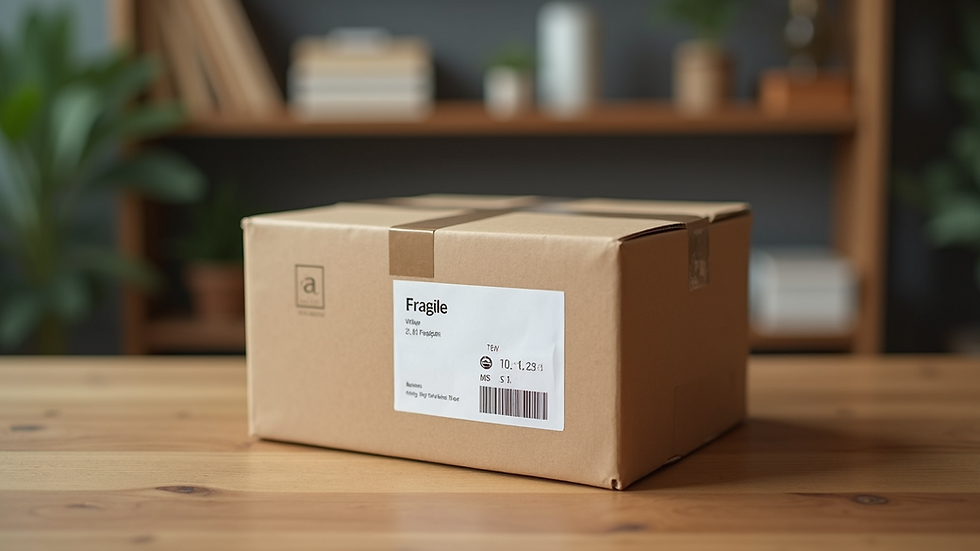
Proper packaging is crucial for safe delivery of custom 3D printed items.
Essential Elements to Include in Your Shipping Policy
When you create your shipping policy, include specific details that address common customer questions and operational needs. Here are the main components to cover:
1. Shipping Destinations
Specify where you ship your products. Do you ship domestically only, or internationally? If international, list countries or regions you serve. Mention any restrictions or exceptions.
2. Shipping Methods and Carriers
Explain which carriers you use (e.g., USPS, FedEx, UPS) and the shipping options available (standard, expedited, overnight). Include estimated delivery times for each method.
3. Shipping Costs
Clearly state how shipping fees are calculated. Are they flat rate, weight-based, or free over a certain order amount? Include any additional fees for special handling or oversized items.
4. Order Processing Time
Define how long it takes to prepare and ship an order. For custom 3D printed items, this may include production time. Be realistic and transparent about these timelines.
5. Tracking and Notifications
Inform customers if tracking numbers will be provided and how they can track their shipments. Mention if you send shipping confirmation emails.
6. Shipping Issues and Delays
Outline your policy for handling lost, damaged, or delayed shipments. Include instructions for customers to report issues and your process for resolution.
7. Returns and Exchanges Related to Shipping
Clarify if customers can return items due to shipping damage or errors. Explain the steps and any conditions for returns or exchanges.
Including these elements ensures your shipping policy is thorough and customer-friendly.

Accurate shipping labels help prevent delivery errors and delays.
How to Write a Shipping Policy That Works
Writing your shipping policy requires clear, concise language. Avoid jargon and keep sentences short. Use bullet points or numbered lists to improve readability. Here are some tips:
Use active voice to make statements direct and clear.
Be specific with numbers and timeframes (e.g., "Orders ship within 3-5 business days").
Avoid vague terms like "usually" or "approximately" when possible.
Highlight important details using bold or italics.
Include contact information for shipping questions or issues.
For example, instead of saying:
"We usually ship orders quickly."
Say:
"We ship all orders within 3 business days."
This clarity helps customers understand exactly what to expect.
Practical Recommendations for Custom 3D Printed Products
Shipping custom 3D printed items requires special attention. These products can be delicate or irregularly shaped. Here are some actionable recommendations:
Use sturdy packaging with cushioning materials like bubble wrap or foam to protect items.
Label packages as fragile when necessary to alert carriers.
Consider insurance for high-value shipments to cover loss or damage.
Offer multiple shipping options to balance cost and speed for customers.
Communicate production time separately from shipping time to avoid confusion.
Test packaging methods to ensure items arrive intact.
By addressing these factors in your shipping policy, you demonstrate professionalism and care.
Where to Find Examples and Templates
If you want to see examples or start with a template, many online resources offer shipping policy samples. For instance, you can visit this link to create shipping policy for a detailed example tailored to custom 3D printed products.
Using a template helps ensure you cover all necessary points and maintain a professional tone. Customize the template to fit your specific business needs and shipping practices.
Final Thoughts on Shipping Policy Creation
A comprehensive shipping policy is a vital part of your business infrastructure. It supports smooth operations and enhances customer trust. By clearly outlining shipping destinations, methods, costs, processing times, and handling procedures, you reduce confusion and improve satisfaction.
Take the time to write your shipping policy carefully. Use simple language and provide detailed information. Test your shipping process regularly and update your policy as needed.
With a strong shipping policy in place, you position your business as reliable and customer-focused. This foundation helps you grow your custom 3D printing services and deliver exceptional products to your customers.

Organized shipping operations contribute to timely and accurate deliveries.


Comments